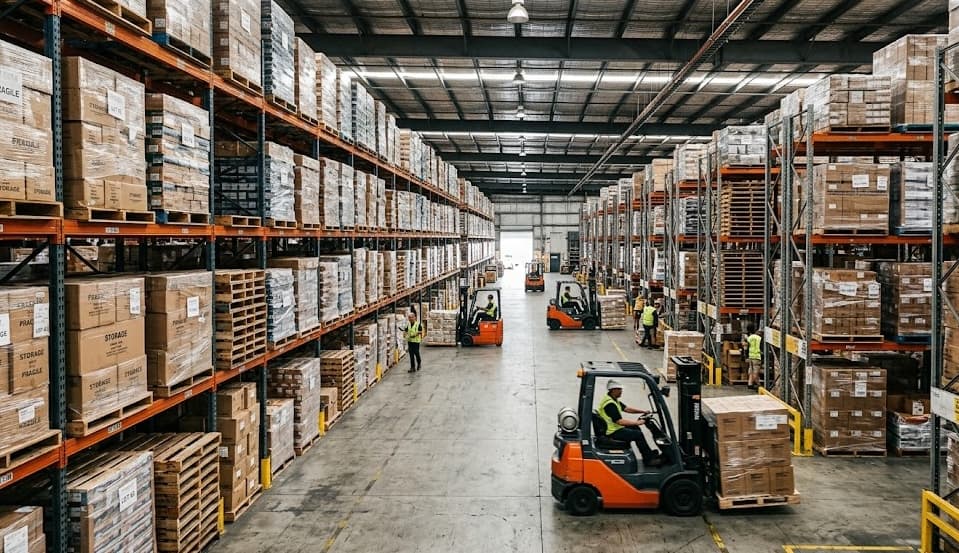
Food Industry Pallet Requirements: Safety, Compliance, and Best Practices
Food safety regulations impose strict requirements on pallets used in food storage and transportation. Learn about FDA guidelines, FSMA compliance, and food-grade pallet specifications.
Jessica Torres
Ace Pallet Service · Published May 15, 2025
Why Food Industry Pallets Are Different
Pallets used in food manufacturing, storage, and distribution must meet higher standards than those used in general freight. The Food Safety Modernization Act and FDA regulations require that all surfaces in contact with or adjacent to food products be sanitary and non-contaminating.
A contaminated pallet can introduce biological, chemical, or physical hazards into the food supply chain. Mold spores, chemical residues from previous cargo, and wood splinters are all potential contamination sources.
Understanding pallet requirements for the food industry is essential for any company that handles food products. Non-compliance risks product recalls, regulatory action, and reputational damage.
FDA and FSMA Requirements
The Food Safety Modernization Act shifted food safety regulation from reactive to preventive. Under FSMA, food facilities must implement preventive controls that identify and address potential hazards, including those introduced by packaging materials and pallets.
The FDA does not have specific pallet regulations, but its Current Good Manufacturing Practice requirements apply to all materials near food products. Pallets must be clean, in good repair, and free of contaminants.
Third-party food safety auditing standards such as SQF, BRC, and FSSC 22000 include specific requirements for pallet management. These audits evaluate pallet condition, storage practices, and supplier qualification.
Pallet Material Considerations
Wood pallets remain the most common choice in the food industry due to their cost effectiveness and recyclability. However, wood pallets must be in excellent condition for food applications. Cracked boards, protruding nails, and mold-stained surfaces are all disqualifying conditions.
Plastic pallets are increasingly used in food manufacturing environments, particularly in washdown areas and clean rooms. They are easier to sanitize and do not absorb moisture. However, plastic pallets cost three to five times more than wood equivalents.
Heat-treated wood pallets are preferred for food applications because the treatment process kills existing mold spores, insects, and other biological contaminants. Many food companies require heat treatment for all incoming pallets.
Inspection and Maintenance Standards
Food facilities should establish incoming pallet inspection procedures that check for structural damage, mold, staining, odors, pest evidence, and contamination from previous loads. Pallets that fail inspection should be rejected and segregated immediately.
Designated pallet storage areas should be clean, dry, and separate from food production zones. Pallets stored outdoors should not be brought directly into food contact areas without inspection and cleaning if necessary.
Document your pallet inspection procedures and maintain records of incoming pallet condition. This documentation demonstrates due diligence during food safety audits and supports supplier performance reviews.
Sourcing Food-Grade Pallets
When sourcing pallets for food applications, qualify your suppliers based on their understanding of food safety requirements, quality control processes, and willingness to provide documentation.
Request certificates of treatment for heat-treated pallets and verify that the supplier's ISPM-15 certification is current. Ask about wood sourcing and whether the supplier can trace lumber back to the sawmill.
Ace Pallet Service supplies food-grade pallets to processors and distributors throughout Michigan. Our heat treatment facility and quality control procedures are designed to meet the requirements of SQF, BRC, and other food safety standards.
Tags:
Questions About This Topic?
Our team is ready to help you apply these insights to your business. Get a free consultation and quote.