The Pallet Recycling Process: A Behind-the-Scenes Look
What happens to a pallet after it's been used? Follow a used pallet through the complete recycling process from collection to reuse at Ace Pallet Service.
Jessica Torres
Ace Pallet Service · Published January 20, 2025
Collection and Transportation
The recycling process begins with collection. Ace Pallet Service operates pickup routes throughout Southeast Michigan, collecting used and damaged pallets from warehouses, distribution centers, manufacturing plants, and retail locations.
Collection volume varies by customer. Some locations generate a few dozen used pallets per week, while large distribution centers may produce hundreds daily. Our logistics team schedules pickups based on volume and urgency.
Transportation efficiency is important for both economics and environmental impact. We optimize truck routes to maximize the number of pallets collected per trip, reducing fuel consumption and delivery costs.
Receiving and Initial Sorting
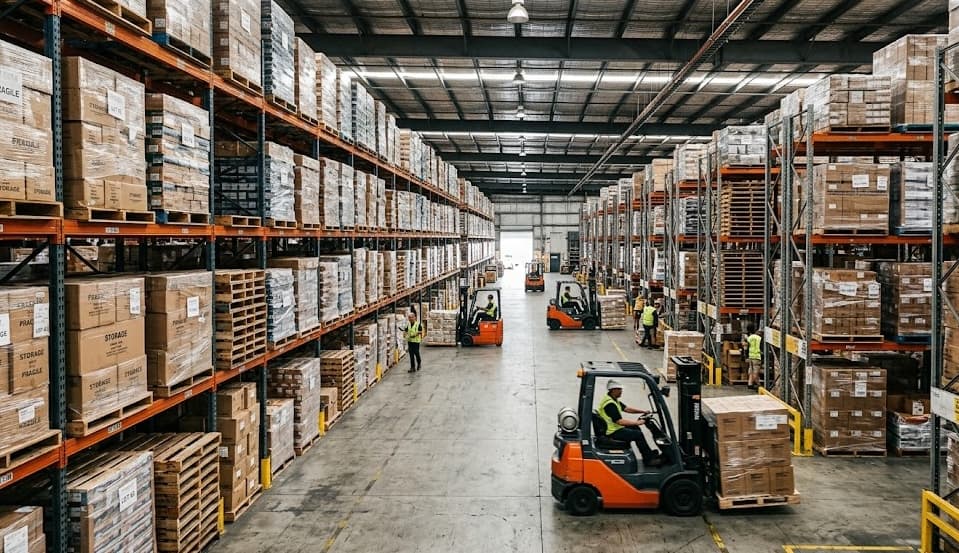
When pallets arrive at our facility, they are unloaded and staged in the receiving area. The first step is a visual sort that separates pallets by size and general condition. Standard 48x40 pallets are the most common, but we handle dozens of sizes.
Initial sorting creates three streams: pallets that appear repairable, pallets suitable only for dismantling, and pallets that are contaminated or unusable. This rapid triage keeps material moving efficiently.
Contaminated pallets, those with chemical spills, hazardous residue, or excessive mold, are segregated and handled according to environmental regulations. These represent a small percentage of incoming volume.
Inspection and Grading
Pallets in the repairable stream undergo detailed inspection. Technicians check every board and stringer for cracks, breaks, rot, and fastener condition. They measure key dimensions to verify the pallet is within specification.
Grade A candidates need minimal repair, perhaps a single board replacement or a few re-nailed fasteners. Grade B candidates require more extensive work but are still economically repairable. Pallets too costly to repair are redirected to dismantling.
Our grading process is calibrated to meet customer expectations consistently. We train inspectors to apply the same standards to every pallet, so customers receive uniform quality within each grade.
Repair and Reassembly
The repair line is where damaged pallets are returned to service. Technicians remove damaged boards, pull protruding nails, and replace components with matching lumber from our reclaimed board inventory.
Board replacement lumber comes from two sources: our dismantling operation, which salvages boards from pallets that cannot be repaired whole, and new lumber purchased for dimensions not readily available from dismantling.
After repair, every pallet is re-inspected to confirm it meets the assigned grade standard. Only pallets that pass final inspection move to finished inventory.
Dismantling and Material Recovery
Pallets that cannot be economically repaired are dismantled for their components. Dismantling machines or manual crews separate boards from stringers, and each component is evaluated individually.
Salvaged boards are de-nailed, sorted by dimension, and added to the reclaimed lumber inventory for use in repairs. Stringers in good condition are also recovered. This component-level recovery maximizes value from every pallet.
Wood that cannot be reused in pallet form goes to the grinder for processing into chips, mulch, or biomass fuel. Metal fasteners are collected and sent to scrap recyclers. Virtually every material component finds a productive use.
Tags:
Questions About This Topic?
Our team is ready to help you apply these insights to your business. Get a free consultation and quote.