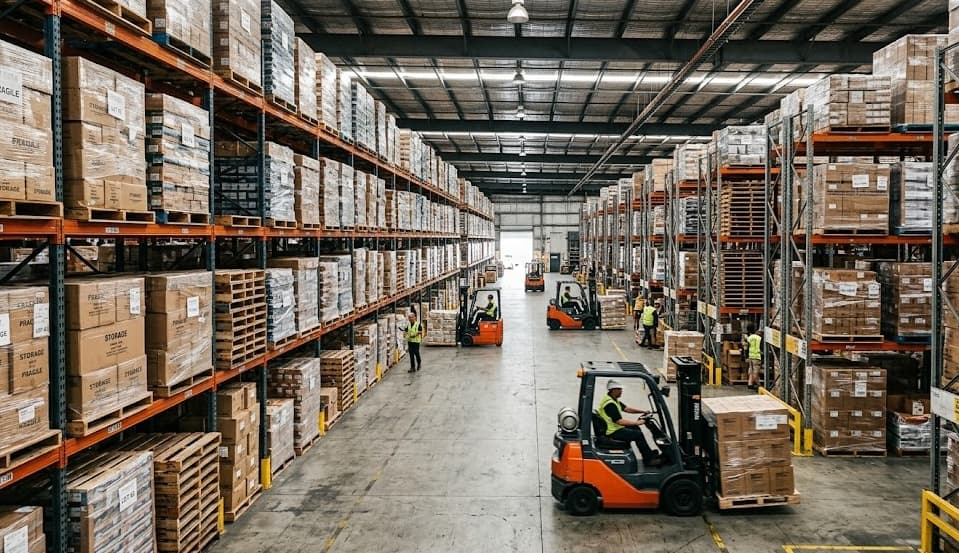
Reducing Landfill Waste in Pallet Recycling: How the Process Works
A plain look at how the pallet recycling industry keeps wood out of landfills through sorting, repair, salvage, and grinding, and what that means for pallet buyers and sellers.
Ace Pallet Service
General pallet education · Published March 2, 2026
Where Pallet Waste Comes From
Wood pallets wear out. Boards crack, stringers split, and fasteners work loose after repeated trips through docks, trailers, and racking. A damaged pallet is often treated as trash, but most of the wood in it still has a use, and that is the idea behind pallet recycling.
The goal is to keep each pallet at its highest practical use for as long as possible. A pallet that can be repaired goes back into service. One that cannot may be taken apart for usable boards. Wood that cannot be reused as lumber can often be ground into chips for other markets.
What remains after those steps is usually a mix of fasteners, dirt, and wood too contaminated to process. Metal fasteners can go to scrap recyclers. How much of the rest avoids landfill depends on the recycler, the condition of the incoming pallets, and the outlets available locally.
The Sorting and Grading Process
Sorting is the first step at most pallet recyclers. Incoming pallets are separated by size and condition, usually into pallets that can be repaired, pallets that are only good for dismantling, and pallets that can only be ground or disposed of.
Repairable pallets are then graded. Grade A or #1 pallets need little work and look close to new. Grade B or #2 pallets may show more wear or carry repair plates or companion stringers. Exact definitions vary between recyclers, so buyers should ask what a given grade means.
Good sorting matters for waste because every pallet routed to the right stream keeps more wood in use. A repairable pallet sent straight to the grinder wastes the labor and material already in it.
Repair and Refurbishment
Repair is usually the most direct way to reduce waste. Replacing one or two broken deckboards keeps the remaining wood in service and avoids building a new pallet from fresh lumber.
Recyclers commonly keep reclaimed boards for this purpose. When a pallet is dismantled, sound boards are pulled, de-nailed, and sorted by size so they can become replacement parts for other pallets. New lumber fills the gaps when reclaimed boards in the right dimension are not available.
Quality control matters at this stage. A repaired pallet should be checked for board condition, flush fasteners, and overall soundness before it goes back into service. Repaired pallets are not automatically equal to new ones, so buyers should match the grade to the job.
Wood Grinding and Secondary Markets
Wood that cannot be reused in pallet form still has value. Grinders turn damaged lumber into chips and sawdust that can serve secondary markets such as landscaping mulch, animal bedding, and biomass fuel, depending on what is available in the area.
Feedstock quality matters. Painted, chemically treated, or contaminated wood generally needs to be kept out of the grinder and handled according to environmental rules. Clean grinding stock is easier to sell and safer to use.
Check current regulations on how contaminated wood must be handled in your area, because the rules and the outlets differ from place to place. A recycler should be able to explain where its material goes.
What This Means for Your Business
If your site produces used or damaged pallets, sending them to a recycler instead of a dumpster keeps usable wood in circulation. Keeping pallets dry, sorted by size, and free of trash and chemical residue makes them more likely to be reused.
On the buying side, choosing recycled pallets for suitable loads avoids building new ones. Reusing a pallet avoids the lumber and labor of a replacement, and repairing a pallet extends its service life. Those are modest, practical steps rather than a complete answer to packaging waste.
If you have pallets to move or want recycled pallets for your next load, use the quote form. We match your request with partner suppliers in our network, and a partner supplier follows up on what is available in your area.
Tags:
Questions About This Topic?
Tell us what you need and we'll match your request with partner suppliers in our network. It's a free, no-obligation quote request.